
Lisa Negri is not your typical gardener. For two decades, she was the CEO of an environmental engineering firm, a career that cemented her reputation as a thought leader and catalyst for growth. Today, that analytical mind and passion for environmental stewardship are poured into SummerHome, a xeric pocket park in Denver that serves as a living laboratory for sustainable urban living. Built on a residential lot that once held an uninhabitable house, SummerHome is more than a garden—it’s a powerful statement against neighborhood overdevelopment and a dedication to curbing climate change.
“Changing even one small corner of the world makes a difference,” Negri asserts. She blends her engineer’s approach with a deep passion for education, creating a community garden and gathering place focused on low-water, xeric, and endemic plantings. The goal is clear: to instruct and advise gardeners on how to create beauty and habitat using resilient species, providing a practical model for a drought-conscious future.
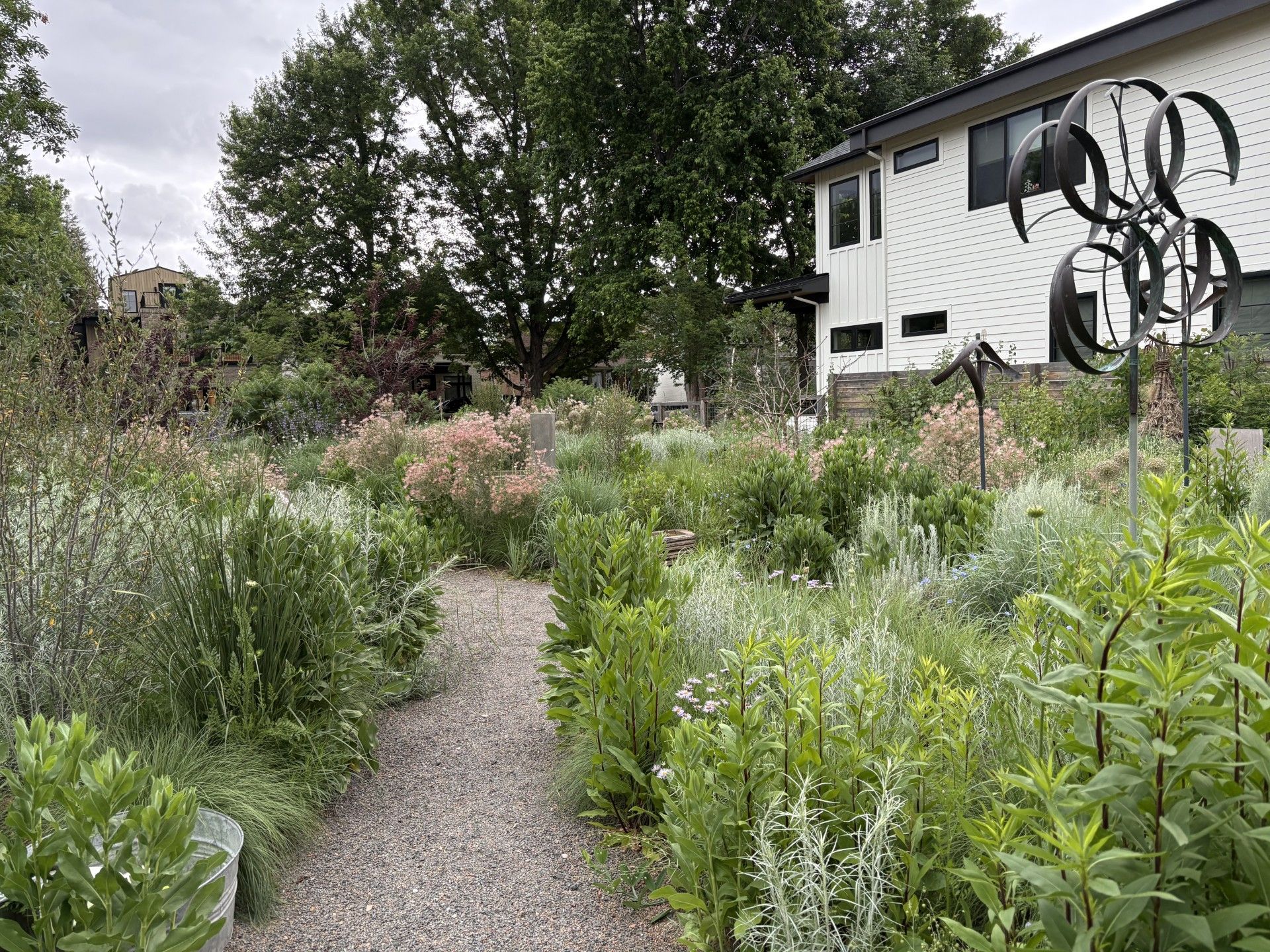
SummerHome is a compact, vibrant ⅛-acre space designed for year-round interest. The planting scheme centers around commercially available, low-water species that deliver a rolling bloom from February through October. Pathways, fountains, and art guide visitors as they explore the diverse textures and colors.
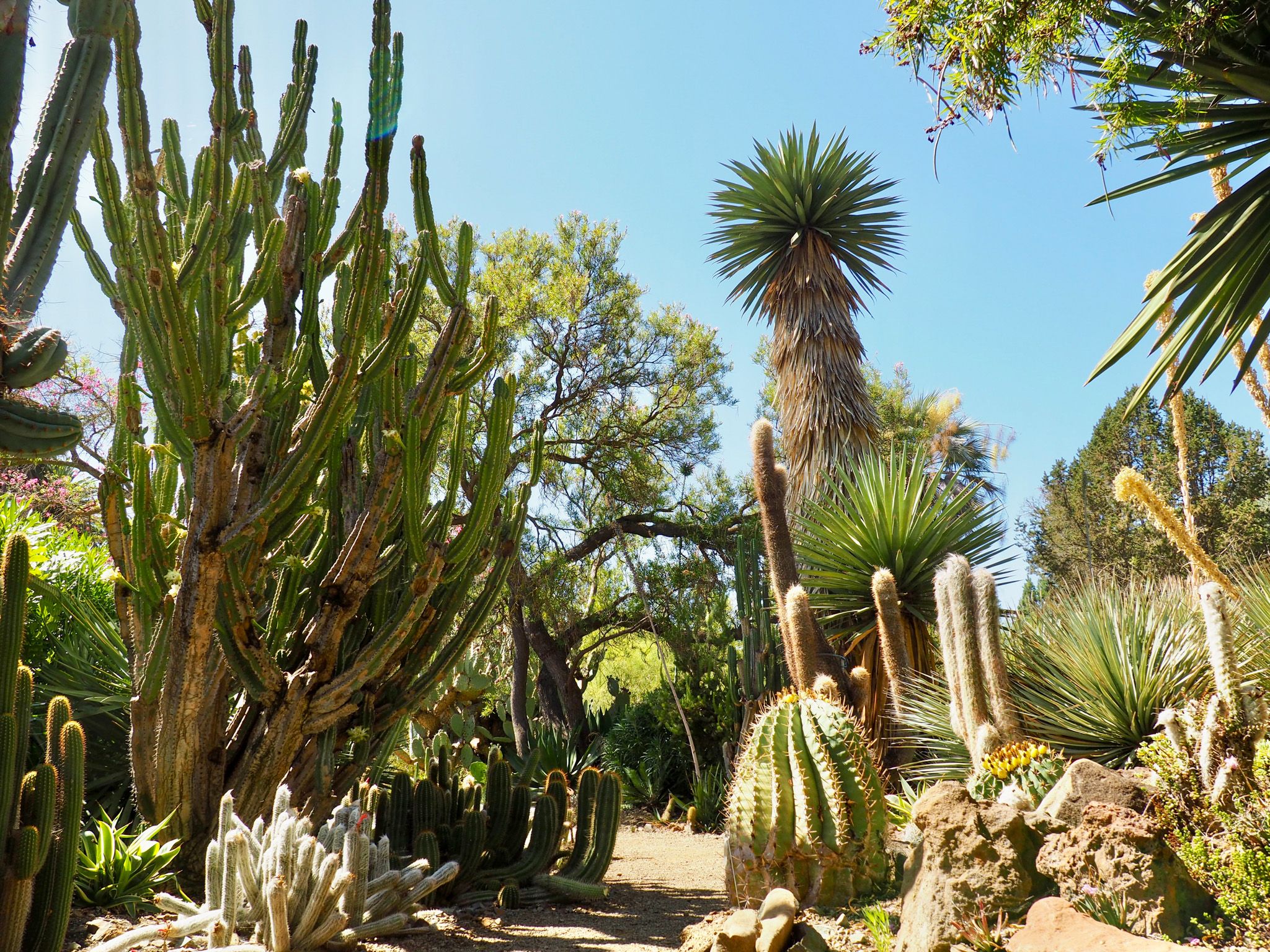
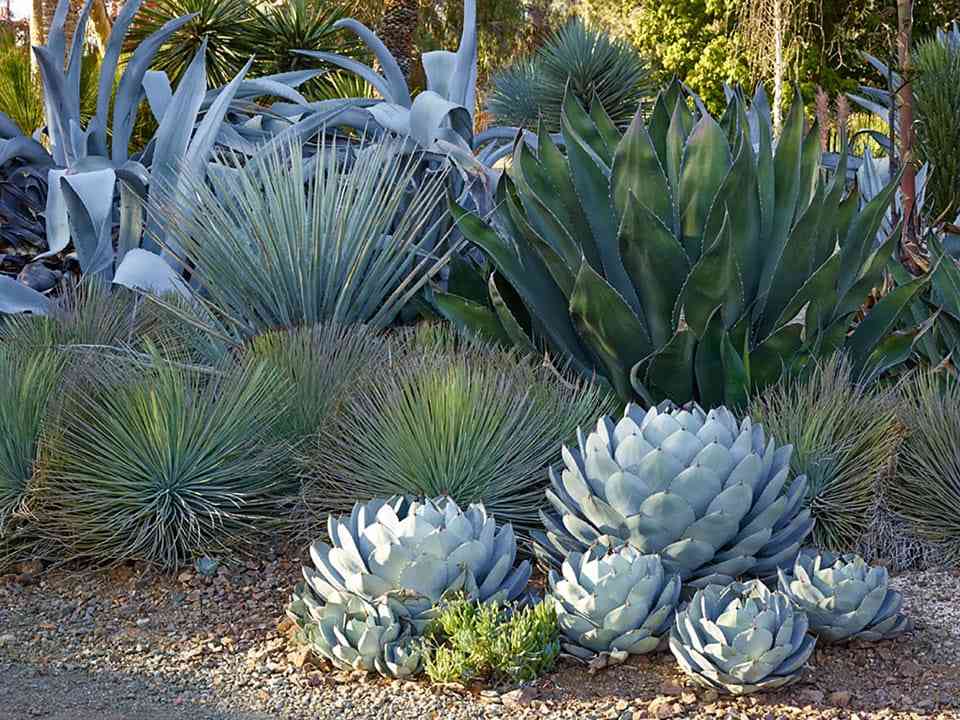
A favorite element is the large crevice garden built from Colorado buff sandstone slabs. This feature proudly highlights cold-hardy cactus and succulents
from around the world—plants that thrive when others struggle. Negri has a profound appreciation for this resilience. “My favorite plants are those that struggle to survive in harsh conditions and then give all their energy to blooming just for me. In my garden, it is all the cactus and succulents,” she shares.
The garden’s canvas is built with trees and shrubs like ‘Sucker Punch’ chokecherry, redbuds, and sumacs, setting the stage for smaller, tough plants like Agastache, salvias, rabbit brush, and Canyon plume. Thousands of bulbs—alliums, tulips, fritillaria—kick off the season in February, and the entire design includes open areas and solitary bee hotels to provide vital pollinator habitat.
Negri’s gardening journey began in the most traditional way, in her Italian grandparents’ vegetable and rose gardens. After a health-related early retirement, she rediscovered this passion as a volunteer at the Denver Botanic Gardens, eventually leading to the creation of SummerHome with mentor Kevin Philip Williams.
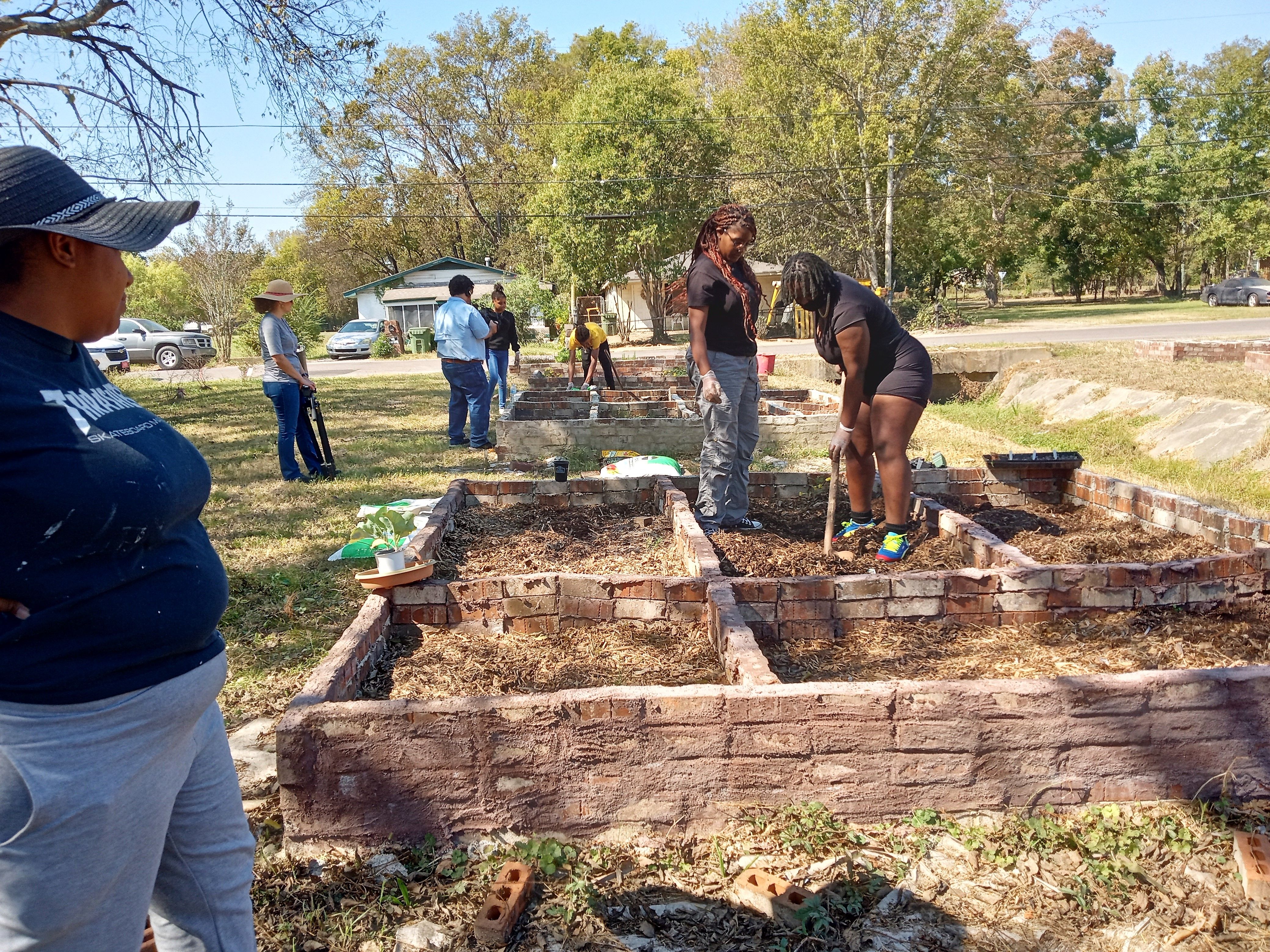
While the plants are spectacular, Negri stresses that the true heart of the garden is the community it fosters, such as “the little kids who run around playing in the fountains and the community of volunteers who come every month, year after year, tending this garden as if it were their own.”
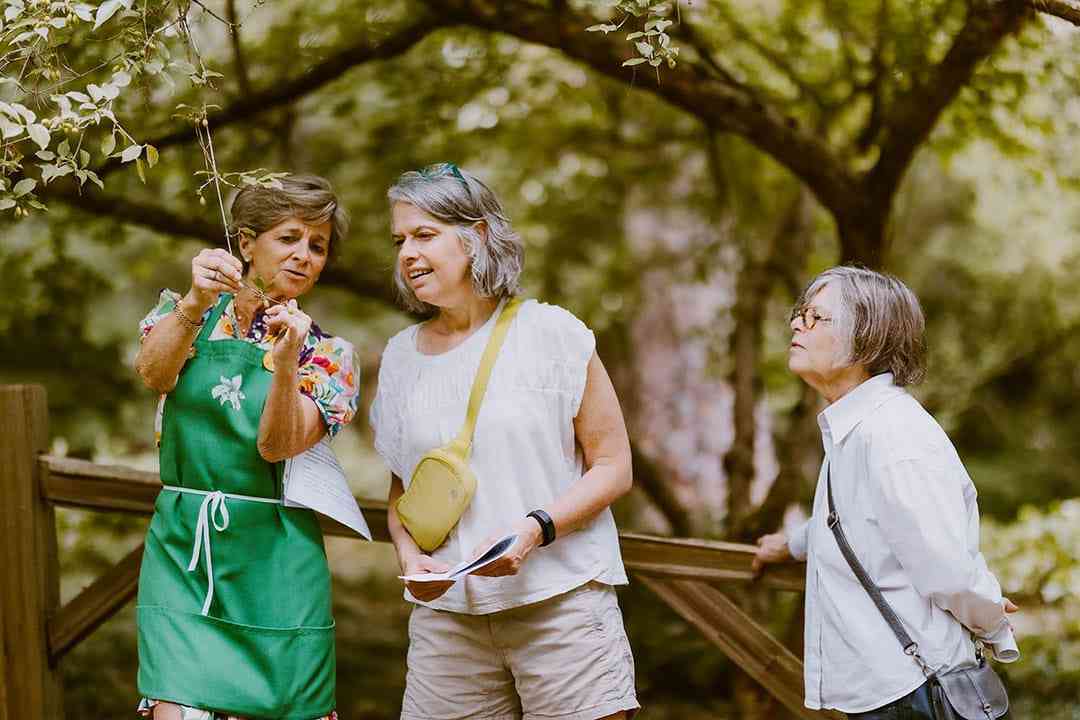
This drive to share and educate is what sparked her interest in the Garden Conservancy’s Open DaysTM program. The opportunity to draw in diverse groups of people and teach them about these tough, drought-tolerant plants is key. Open Days helps her deliver her crucial message: “These plants have to replace our lawns.” The interaction with visitors, from plant killers to pros, helps her tailor her presentations and strengthen her advocacy for shifting gardening views in the face of climate change.
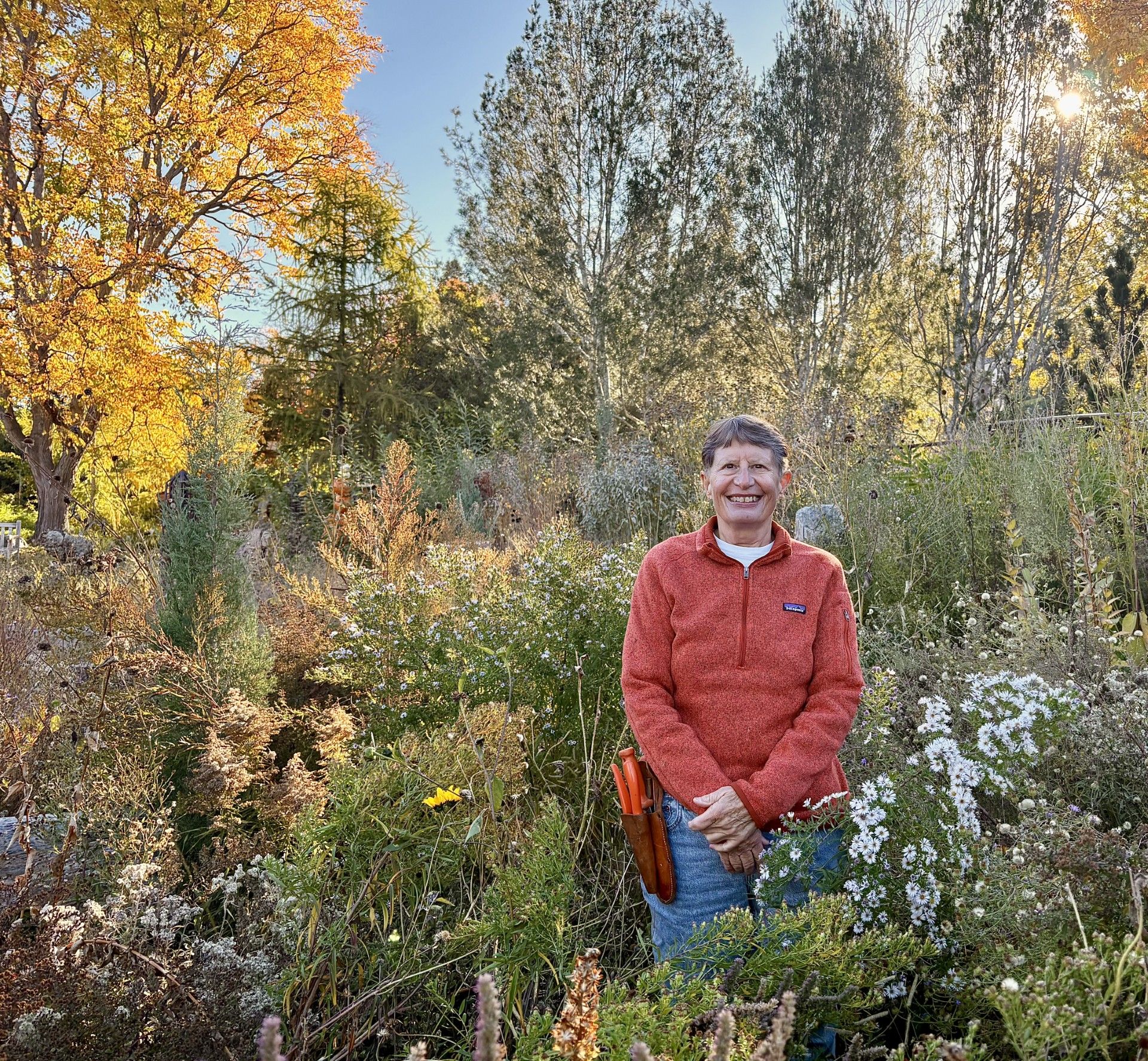
Looking ahead, Negri’s main hope is to secure SummerHome’s future. She aims to have the garden endowed and donated to an organization that can preserve it against the heavy development pressures in her neighborhood. By doing so, SummerHome can continue to inspire gardeners and solidify its legacy as an accessible, beautiful, and essential model for sustainable urban landscapes.